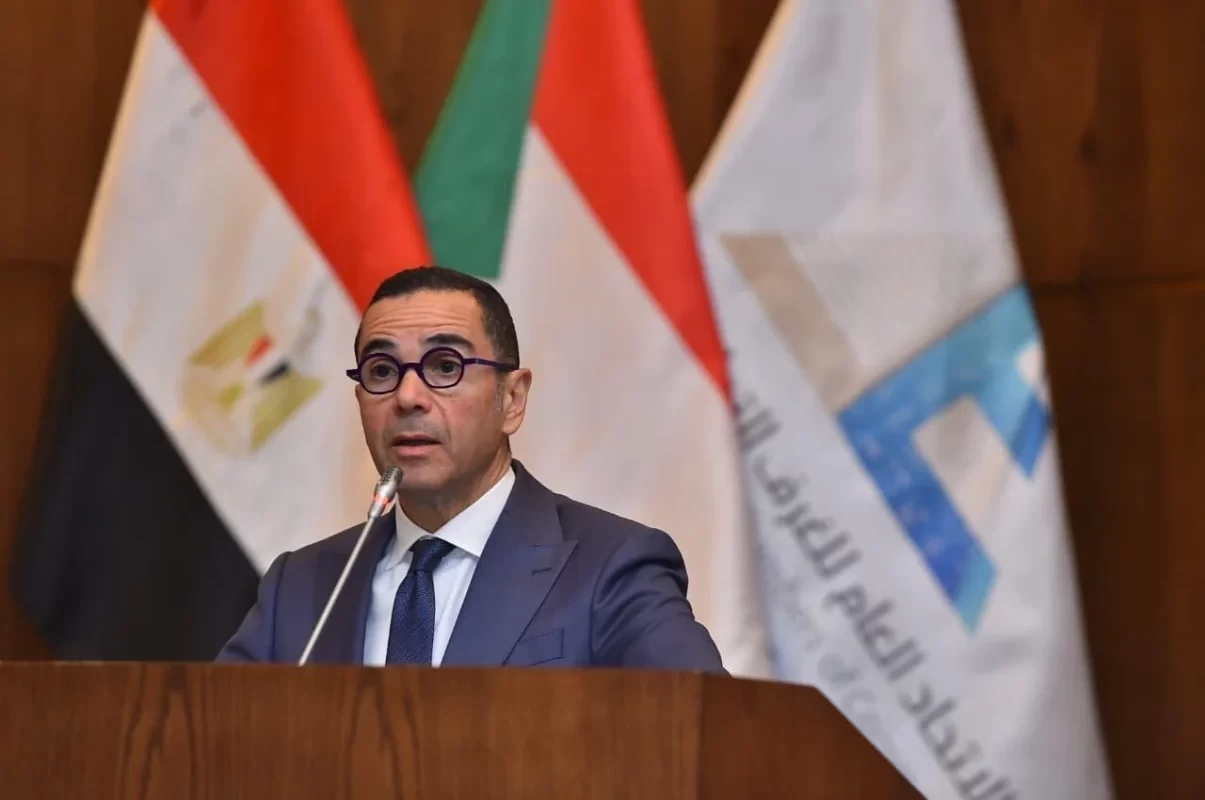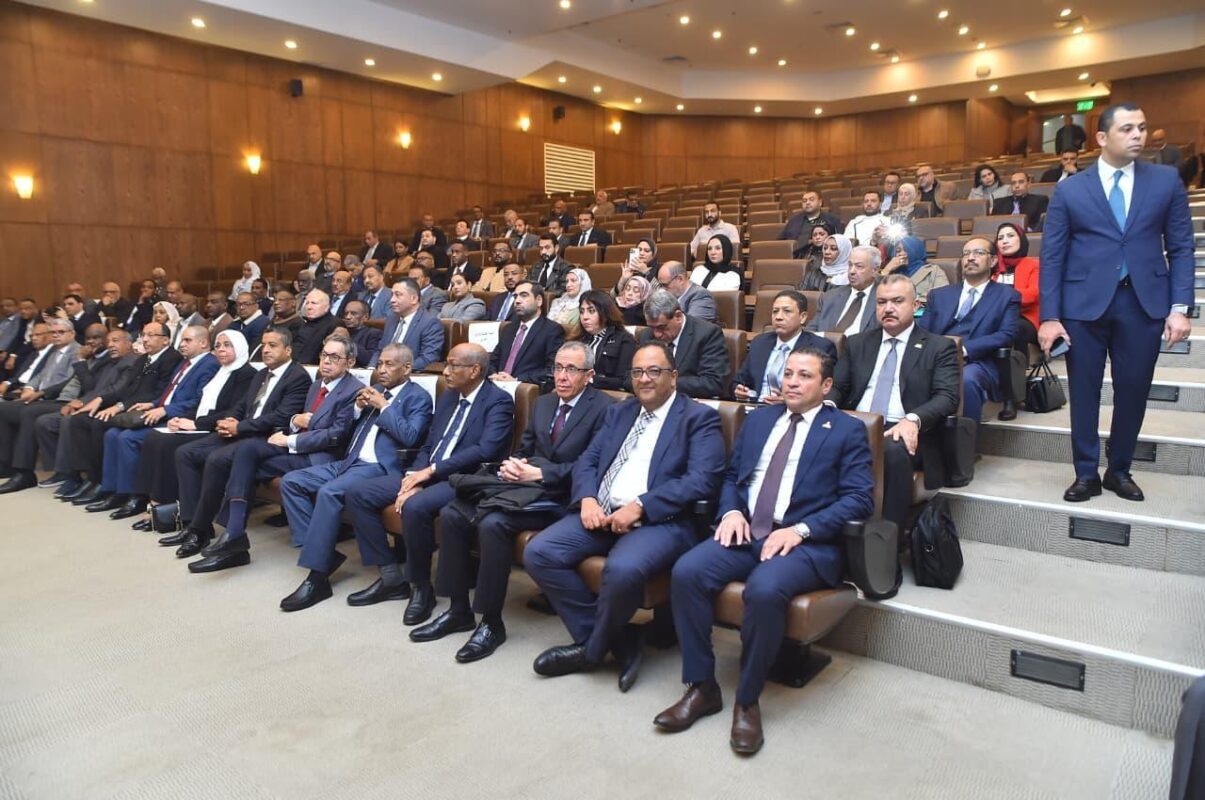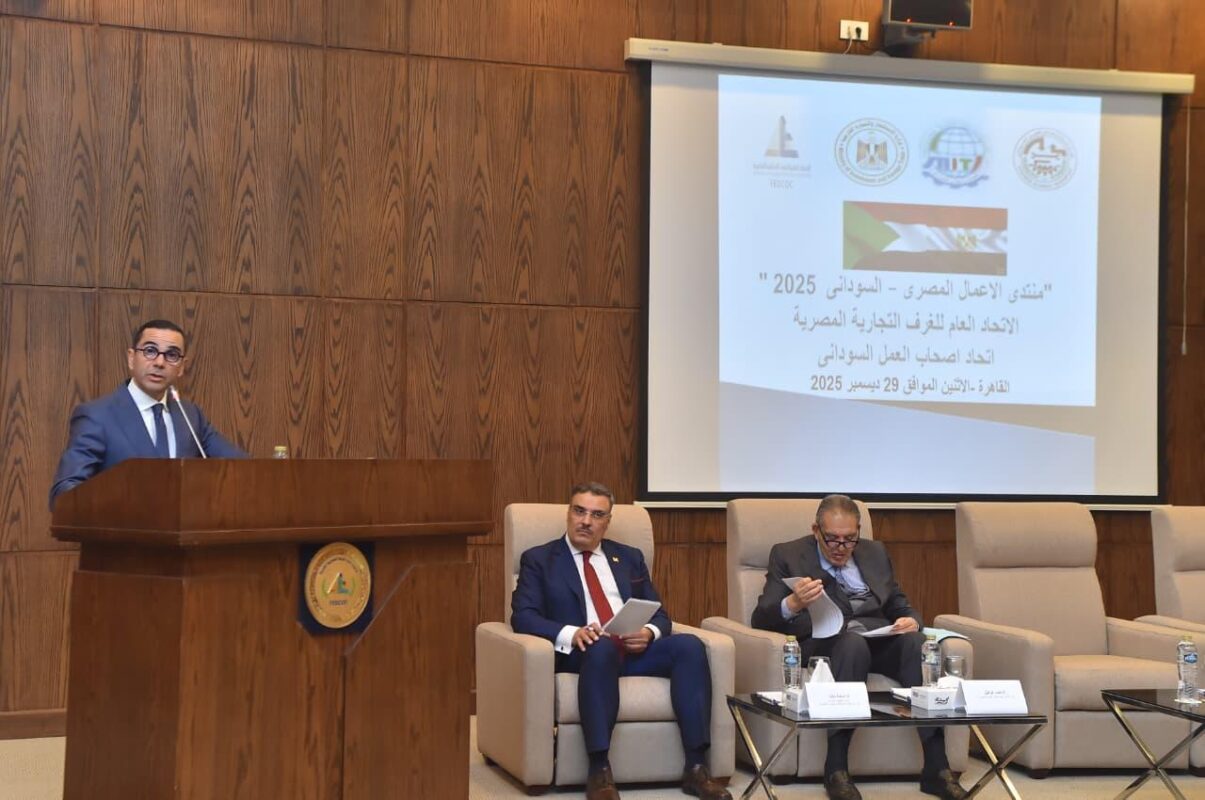




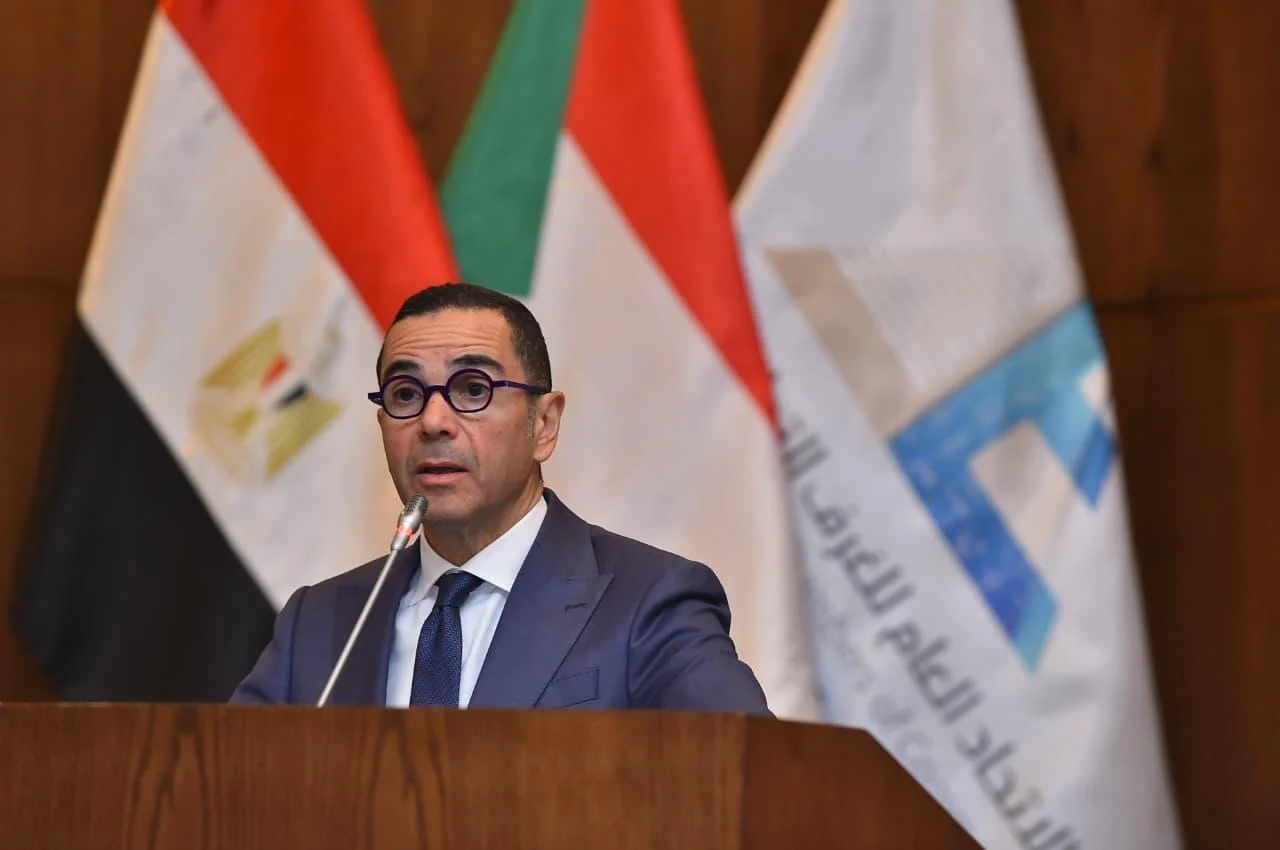
Engineer Hassan El-Khatib, Minister of Investment and Foreign Trade, inaugurated today, Monday, at the headquarters of the Federation of Egyptian Chambers of Commerce in New Cairo, the activities of the Egyptian-Sudanese Business Forum.
The event was attended by Mohsen Ali Yacoub, Minister of Industry and Trade of the Republic of Sudan; Ahmed El-Wakeel, President of the Federation of Egyptian Chambers of Commerce; Osama Basha, Commercial Minister Plenipotentiary and Secretary-General of the Federation of Egyptian Chambers of Commerce; Ali Salah Ali Ahmed, President of the Federation of Chambers of Commerce of the Republic of Sudan; and Muawiya Mohamed Ahmed Al-Barber, Chairman of the Sudanese Employers’ Federation.
The minister stated that Egypt and Sudan share a deep history of brotherhood, shaped by the unity of the land and the Nile River, and reinforced by Arab and African affiliation. These factors have collectively formed a solid foundation for a special relationship, which was clearly reflected in the meeting between President Abdel Fattah El-Sisi and the Chairman of the Sudanese Sovereignty Council, Field Marshal Abdel Fattah al-Burhan, in New Alamein City. During the meeting, they emphasized the depth of the close relations between Egypt and Sudan and Egypt’s steadfast position in supporting Sudan’s security, stability, and unity.
El-Khatib added that the historical and fraternal ties between Egypt and Sudan form a strong foundation for promising economic partnerships. The trade exchange volume between the two countries reached approximately USD 1.1 billion during the current year, while Sudanese investments in Egypt amounted to around USD 79 million in 2024, achieving a growth rate of 39% compared to the previous year, through more than 3,320 Sudanese companies operating in the Egyptian market. This is considered a positive indicator of the development of economic relations between the two countries.
The minister pointed out that the available opportunities between the two countries far exceed the current figures, as both nations possess vast potential and untapped opportunities. He expressed his aspiration to maximize these opportunities through the full implementation of the joint agreements, foremost among them the COMESA Agreement, including the actual application of the exemptions stipulated in these agreements
El-Khatib stated that over the past years, Egypt has pursued an ambitious path of comprehensive economic reform, with the state investing heavily in the development of infrastructure, including roads, ports, and logistics zones, and establishing a new generation of smart cities. He explained that Egypt is now in a phase of building on this foundation through the implementation of clear structural and institutional reforms, adopting stable and long-term macroeconomic policies aimed at enhancing the stability of the business environment and reducing burdens on investors, supported by a comprehensive digital transformation in government services. This has already been reflected in the improvement of macroeconomic indicators and the consolidation of a higher degree of certainty and confidence.
The minister explained that the disciplined monetary policy contributed to a significant decline in inflation rates, from 33.3% in March 2024 to 12.3% in November 2025, alongside the strengthening of foreign currency reserves to exceed USD 50 billion. Regarding fiscal policy, a gradual reform approach was adopted, resulting in the expansion of the tax base by approximately 35% without imposing new burdens, thereby rebuilding trust with the business community. The state also gives special attention to addressing non-tax burdens through a comprehensive review of imposed fees and the unification of the investor’s point of contact, which helps reduce the actual cost of investment and enhances transparency.
The Minister of Investment and Foreign Trade pointed out that the Egyptian government has adopted an ambitious goal of placing Egypt among the top 50 countries globally in investment and trade competitiveness indicators within the next two years. He explained that the implementation of this transformation has already begun on the ground through the expansion of comprehensive digital transformation via the launch of the Licensing Platform and the commencement of work on the Economic Entities Platform, which will include a complete re-engineering of licensing procedures as well as all investment-related burdens and fees. This initiative aims to enhance transparency, simplify procedures, and provide investors with a clear vision and a defined cost from day one.
The minister explained that, in line with this approach, Egypt views the areas of cooperation with Sudan as still wide and diverse, foremost among them agriculture and livestock, as well as labor-intensive industries. Egypt also places special emphasis on the exchange of expertise and capacity building, whether through workforce training or technology transfer, alongside cooperation in the development of infrastructure, transportation, and logistics, considering these elements as essential for facilitating trade and investment and deepening economic integration between the two countries.
El-Khatib extended an invitation to businessmen from Egypt and Sudan to utilize this forum as a practical platform for exchanging insights, exploring opportunities, and working to transform ideas and proposals into tangible projects and implementable partnerships
At the conclusion of his speech, El-Khatib reaffirmed Egypt’s steadfast commitment to continuing to support its relations with the brotherly Republic of Sudan and to joint efforts aimed at building a strategic partnership based on mutual interests, contributing to stability and development for the benefit of the peoples of both nations.